


How to Write Dialogue That Sounds Natural: A Fiction Writer's Guide

Dialogue is where manuscripts come alive or quietly deflate. Readers will forgive a slow opening; they rarely forgive characters who speak like press releases. The good news is that natural-sounding conversation in fiction has less to do with transcribing how people really talk and more to do with creating the illusion of it. That's a craft problem, and craft problems can be solved.
The Real Conversation Is Happening Underneath
People seldom say what they mean, and characters shouldn't either. The gap between the words on the page and the intention behind them is subtext, and it's the most useful tool you have.
"Did you eat?" she asked.
"Not hungry."
"There's soup in the fridge."
On the surface, this is a conversation about food. Underneath, it's about whether she is allowed to care and whether he will let her. Neither of them says so, which is exactly why it works.
To build subtext, decide two things before you write the scene: what each character wants, and what they are willing to admit to wanting. Then make them talk around the first and dodge the second. A character who announces "I'm frightened you'll leave" ends the conversation. One who says "You've been working late a lot" keeps it alive for another page.
Use Beats Instead of Adverbs
Adverbs are usually a sign that the line isn't doing its job. "I don't want you here," she said angrily — the anger is already in the words. The tag adds nothing except the writer's anxiety that we might have missed the point.
A beat does better work. It's a small piece of action attached to a line of speech, and it can replace the tag entirely.
"I'm fine." She picked the label off the wine bottle and put the scraps in her pocket.
The action tells us she is not fine, characterises her, and gives the reader something to watch while the next line lands. One caution: beats are seasoning, not the meal. If every line arrives with a gesture, the scene reads like a stage direction. Sometimes "he said" is the right choice — it's invisible, and invisible is what a tag should be. Reach for "he retorted" or "she opined" only when you want the reader to notice you, which is rarely.
Keep Exposition Out of Their Mouths
The moment a character explains something both speakers already know, the reader feels a hand at the back of their neck. "As you know, Charles, we have been married for eleven years" is information aimed at the reader, not at Charles.
Most exposition can be redistributed. Try these moves:
- Give it to someone who needs it. A stranger, a new colleague or a nosy neighbour can ask questions without anyone rolling their eyes.
- Let the facts be disputed. If two characters disagree about what happened at the wedding, the reader gets the details and the tension at once.
- Bury it in conflict. Information revealed during an argument is remembered; information recited over tea is skimmed.
- Cut it and test the damage. Delete the explanation, read the scene, and see whether the reader can still follow. They usually can.
- Spread it across scenes. A detail dropped in chapter three and echoed in chapter nine feels discovered rather than delivered.
One more test: if a line exists mainly to inform the reader, it needs to be doing something else as well — provoking, apologising, lying.
Dialect Without the Phonetic Fog
Written accent is a trap. Piling up apostrophes and phonetic spellings — "och, laddie, dinnae fash yersel" — makes the reader work twice as hard for half the pleasure, and it risks turning a character into a comedy turn.
Voice comes from rhythm and word choice far more than from spelling. "I'm not going to be going" and "I'm not going" come from different people. So do someone who says "frightened" and someone who says "scared". Settle on two or three signals — a piece of vocabulary, a sentence shape, a phrase they return to under pressure — and apply them consistently. Drop the occasional "g" if it helps, but sparingly.
If you're writing a dialect or community you don't belong to, this is where good readers earn their keep. Ask someone who knows it well to tell you where it reads as caricature.
Rhythm, Interruption and What Nobody Says
Real speech overlaps, stumbles and restarts. Fiction doesn't need to reproduce that faithfully, but it does need its flavour. A dash shows a character cutting in; a full stop where a reply should be can be the loudest line in the scene.
"I thought you'd call."
He put the kettle on.
Keep lines uneven. Four long speeches in a row flatten a page; so does a tennis-match rhythm of equal short ones. And give your characters something to do while they talk — driving, packing, washing up. The task interrupts them naturally, and those interruptions become beats. Two heads floating in a white room will sink any scene, however sharp the lines.
Then cut the polite parts. Scenes rarely need greetings, introductions or goodbyes. Start late, leave early, and trust the reader to fill the gaps.
A Checklist for Your Next Pass
- Does each character want something from the other, right now?
- Could you delete the first two lines and lose nothing?
- Is any line there purely to inform the reader?
- Cover the tags: can you still tell who is speaking?
- Are there beats to break up the talking, and not so many that they distract?
- Does anyone state the theme of the scene out loud? Cut that line.
Read It Aloud, Then Cut Again
The ear catches what the eye forgives. Read every exchange aloud — properly, in character — and mark the places where you stumble, hurry or get bored. Boredom is the useful one. Where you skim, a reader will skim faster.
Then take one more pass with a sharp knife. Cut the first and last line of almost every exchange, delete any speech that repeats something the reader already knows, and check that the scene still lands without it. Natural dialogue isn't a transcript of real life. It's the cleaned-up, sharpened version of it — closer to the way we wish we'd said it than the way we did. Get that on the page and readers stop noticing the words and start hearing the people.
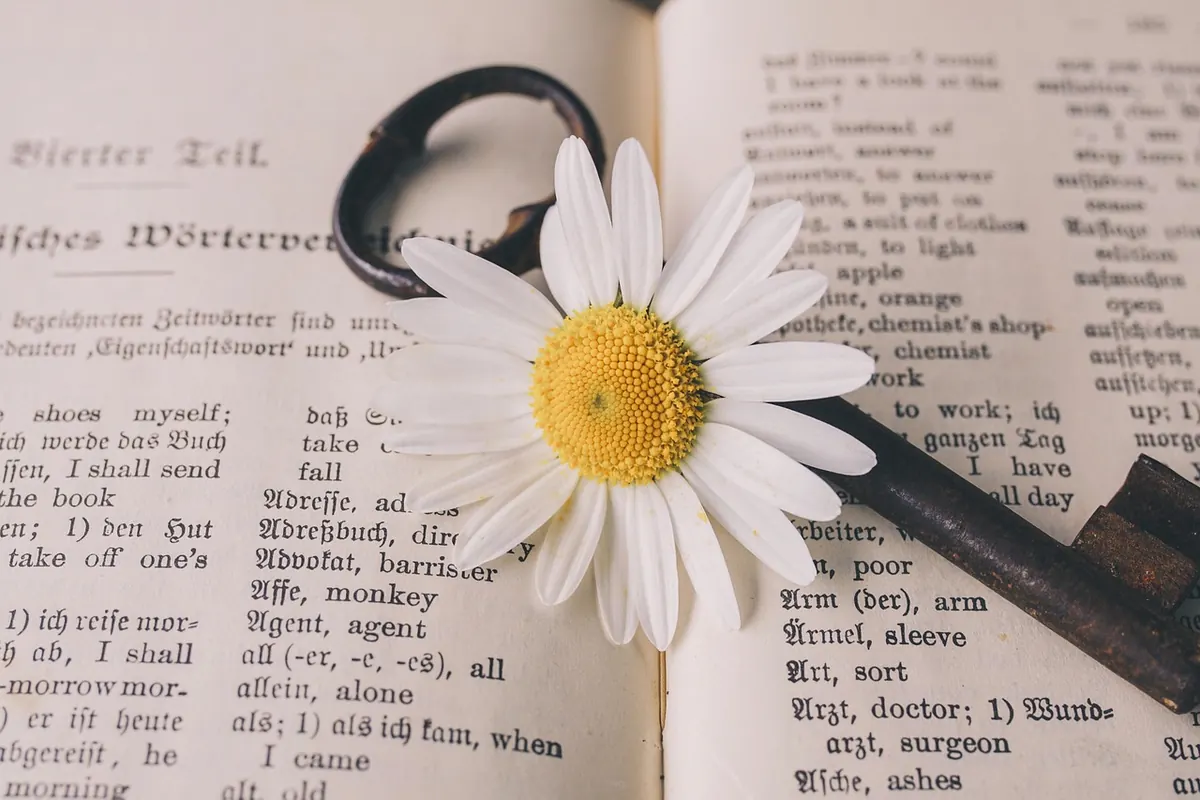
Photo: harpenz / Pixabay