
The Real Math Behind Slot Machines (And Why It Matters)
You’ve probably heard the saying: slots are for entertainment, not for income. But that line gets repeated so often it loses its teeth. Why exactly? Because the math is rigged? Not exactly. Because the odds are hidden? Sometimes. The truth is more interesting, and understanding it can change the way you play—or whether you play at all. Let’s cut through the noise and look at what actually happens when you press spin.
RTP, House Edge, and Why They Aren't the Same Thing
Return to Player (RTP) is the percentage of all wagered money a slot returns to players over millions of spins. A 96% RTP means that for every $100 bet, the machine pays back $96 on average. The house keeps $4. Simple, right? But here’s the catch: that $96 isn’t distributed evenly. It’s concentrated in rare, massive jackpots and volatile bonus rounds.
The house edge is simply 100% minus the RTP. So a 96% RTP game has a 4% house edge. That sounds small, but over thousands of spins, it adds up. The difference between a 94% and a 97% RTP game is enormous over time. Always check the RTP—it’s often listed in the game’s help menu or on the casino’s game page.
- High RTP (96%–99%): Usually classic slots or low-volatility games. Smaller, more frequent wins.
- Medium RTP (94%–96%): Most modern video slots. Balanced risk.
- Low RTP (85%–93%): Often progressives or older machines. The trade-off is the dream of a life-changing jackpot.
Notice I said “over millions of spins.” In a single session of 200 spins, you could easily hit a 10x bonus and walk away up. Or you could lose 80% of your bankroll. RTP is a long-term average, not a promise for your night out.
Volatility: The Hidden Rollercoaster
Volatility (or variance) describes how often and how much a game pays. Two slots can have identical RTP but feel completely different. A low-volatility game pays small amounts frequently—like a slow drip. A high-volatility game might eat your balance for 300 spins and then drop a 500x win out of nowhere.
Which is better? Depends on your goal. If you want to stretch your bankroll for hours, low volatility. If you’re chasing a big score and don’t mind busting, high volatility. Here’s a concrete example: Book of Dead (high volatility) vs. Starburst (low volatility). Both have their fans. One will drain you slowly but surely with small wins; the other will either crush you or make your night.
Smart players match volatility to their bankroll. If you have $50, high volatility is a lottery ticket—fun, but unlikely to last. If you have $500, you can ride the swings and actually have a shot at a big hit.
Betting Strategies That Actually Make Sense
You can’t beat the house edge. Period. No betting system changes the math. Martingale (doubling after a loss) is a classic trap—it works until it doesn’t, and when it doesn’t, you lose everything. So what can you do?
- Set a loss limit and a win limit before you start. If you sit down with $200, decide you’ll stop at $100 lost or $300 won. Write it down. Stick to it.
- Bet size relative to bankroll. A common rule: 1–2% of your bankroll per spin. With $200, that’s $2–$4 per spin. This gives you roughly 50–100 spins—enough to see a bonus round or two.
- Use casino bonuses wisely. A 100% match up to $200 with a 30x wagering requirement on slots means you need to bet $6,000 before withdrawing. Check the terms. Sometimes the bonus is a trap; sometimes it’s genuinely +EV if you play low-volatility slots.
- Don’t chase losses. The urge to “win it back” is the fastest way to empty your account. The machine doesn’t know you’re due. Each spin is independent.
These aren’t secrets. They’re discipline. The players who enjoy slots long-term are the ones who treat it as entertainment, not a side hustle.
What About Poker? A Different Beast
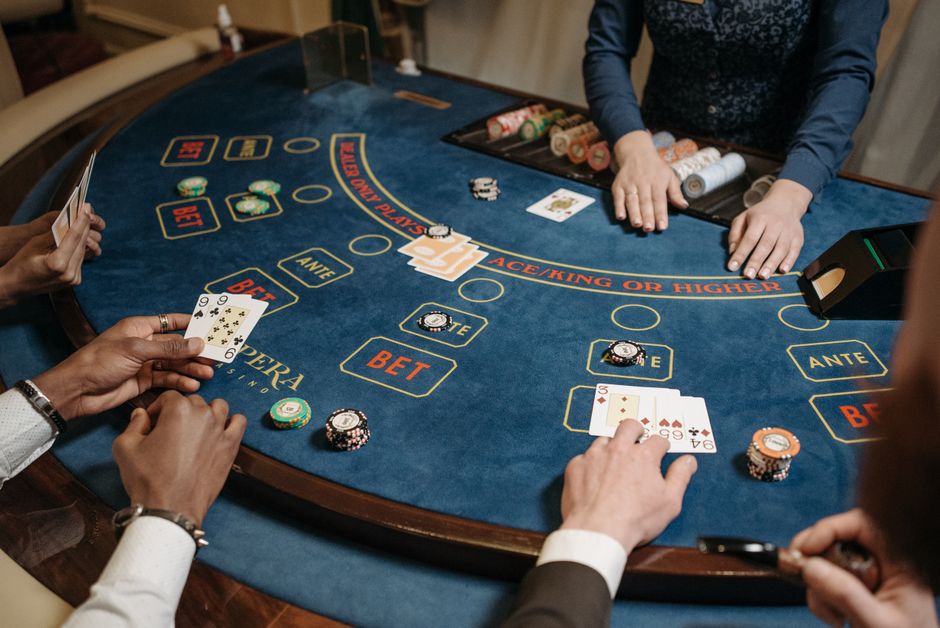
Poker is the one iGaming vertical where skill genuinely matters. Over the long run, a good player can beat the rake and show a profit. But “good” means studying ranges, pot odds, and opponent tendencies—not just watching a few YouTube videos. For up-to-date information, visit slot deposit dana.
Online poker is tougher than live. The players are better, the action is faster, and tracking software is common. If you’re new, start with micro-stakes ($0.01/$0.02). Focus on tight-aggressive play: fold weak hands, bet strong ones, and don’t bluff into calling stations.
- Bankroll management: Have at least 20 buy-ins for cash games. For a $2 buy-in, that’s $40 minimum.
- Table selection: Find tables with high average pot sizes and low flop percentages. Those are the fish.
- Rake: The house takes a cut of every pot. At micro-stakes, rake can eat 5–10% of your winnings. Move up when you can.
Slots are pure chance. Poker is chance plus decisions. Both can be fun. Only one rewards study.
The Psychology of the Spin
Why do slots feel so addictive? Variable ratio reinforcement. You don’t know when the next win is coming, so you keep pulling the lever. Near-misses—two jackpot symbols and a blank—trigger the same dopamine hit as a real win. Lights, sounds, and animations are designed to keep you in the seat.
This isn’t conspiracy; it’s product design. The same principles apply to social media and mobile games. Knowing that doesn’t make you immune, but it helps you set boundaries. Use the casino’s own tools: deposit limits, session reminders, and time-outs. They exist for a reason.
If you ever feel like you’re playing to escape stress or recover losses, stop. Walk away. The game will be there tomorrow.
Final Thought: Play the Player, Not the Machine
The house edge is real. The variance is real. But so is the entertainment value—if you go in with clear eyes. The best iGaming players aren’t the ones who win the most; they’re the ones who know exactly what they’re buying: a few hours of thrill, with a small chance of a big payout. That’s not a bad deal. It’s just a deal you should understand before you press spin. So next time you log in, check the RTP, set a limit, and enjoy the ride. The math will do what it does. Your job is to keep it fun.